
Chemical Compatibility
Checklist for Gasket Chemical Compatibility
Engineers use a gasket chemical compatibility checklist to verify material selection against process fluids. The process covers fluid identification, temperature ranges
Practical specifications, materials, and supplier checks for industrial seals.
Buyers choose seals based on material limits, pressure ratings, and supplier reliability. This site breaks those decisions into clear technical checks, from cross-section geometry to chemical exposure limits.
Content covers O-rings, mechanical seals, gasket materials, and failure patterns. It explains how to read datasheets, verify testing, and evaluate suppliers before placing orders.
Start with the stage of the sourcing process you are in.
Learn about O-ring types, materials, and sealing applications for reliable industrial performance and long-term service life.
Explore mechanical seal designs, operating limits, and installation practices to prevent leakage in rotating equipment.
Compare gasket materials and their suitability for pressure, temperature, and chemical exposure in industrial systems.
Understand how different seal and gasket materials react to chemicals, fluids, and aggressive process media.
Review key sealing standards and testing methods used to verify performance, reliability, and product quality.
Identify common causes of seal and gasket failure and learn how to diagnose and prevent recurring leaks.
Use practical guidance to evaluate suppliers, verify capabilities, and select reliable sources for sealing products.
Engineers use a gasket chemical compatibility checklist to verify material selection against process fluids. The process covers fluid identification, temperature ranges
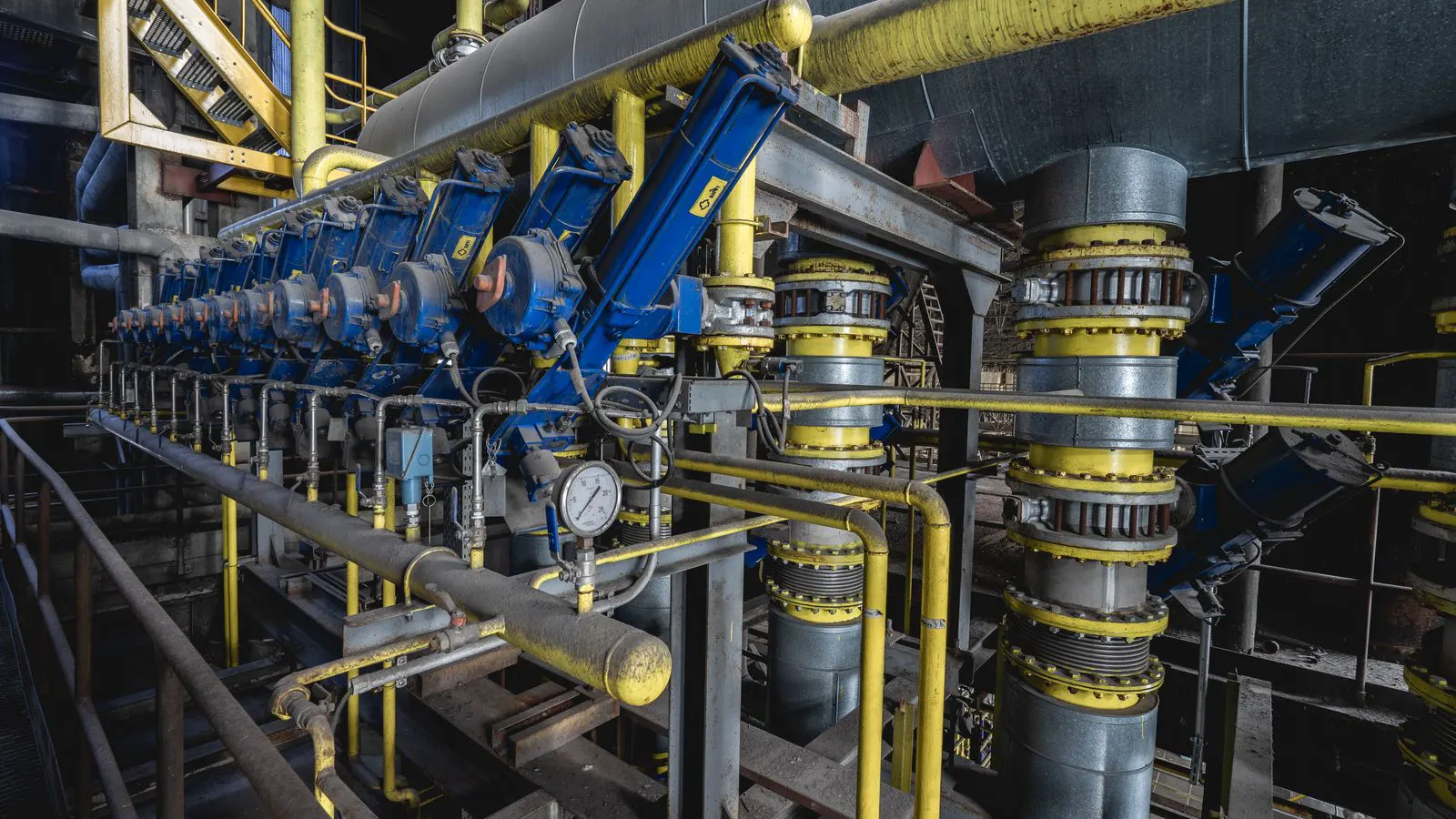
This guide explains how procurement managers can verify gasket compliance with ASME B16.20. It covers rating classes, material selection, and testing criteria needed for
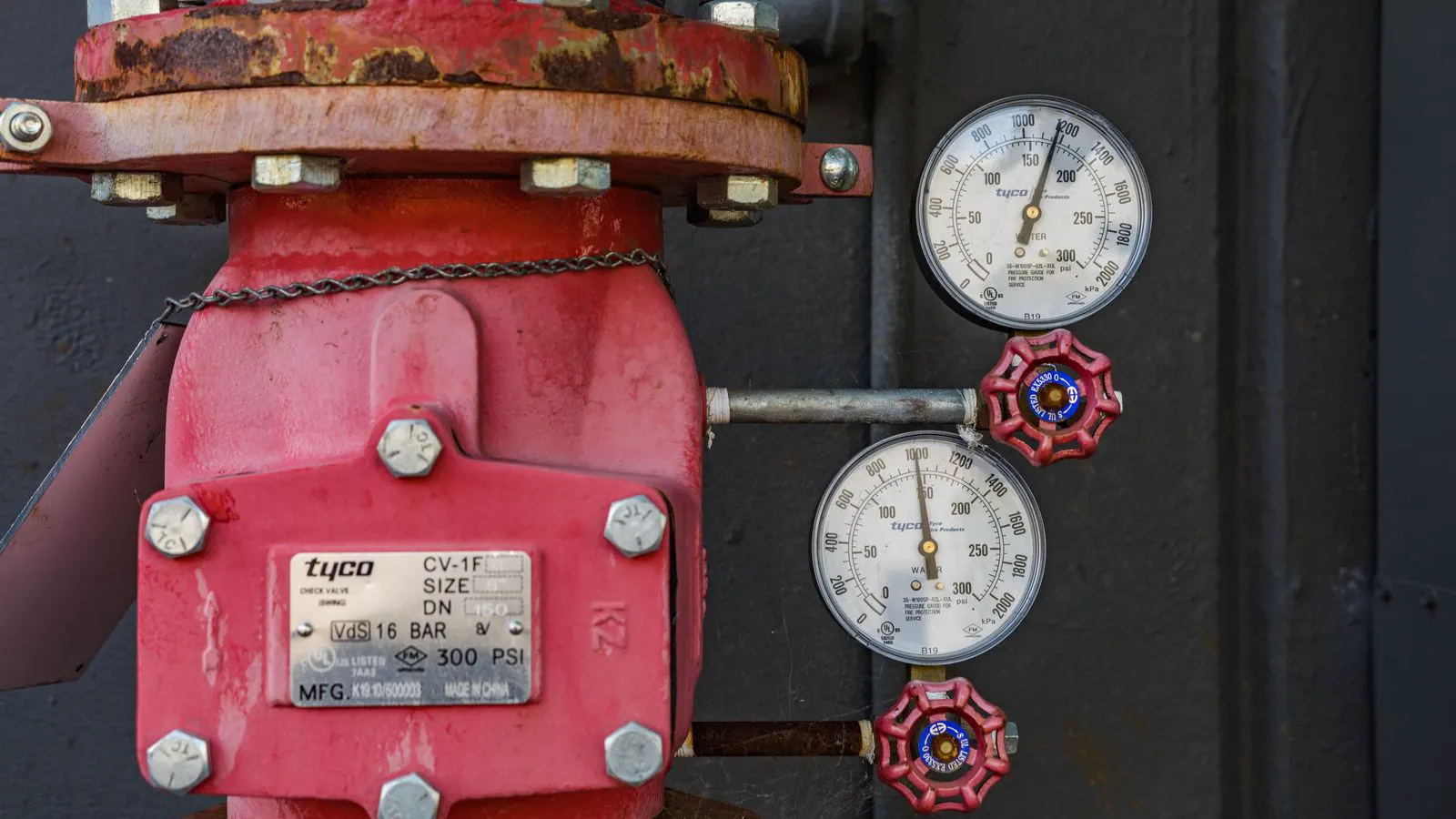
PTFE offers chemical resistance and low friction, while spiral wrap gaskets deliver higher mechanical strength and pressure tolerance. The right choice depends on fluid
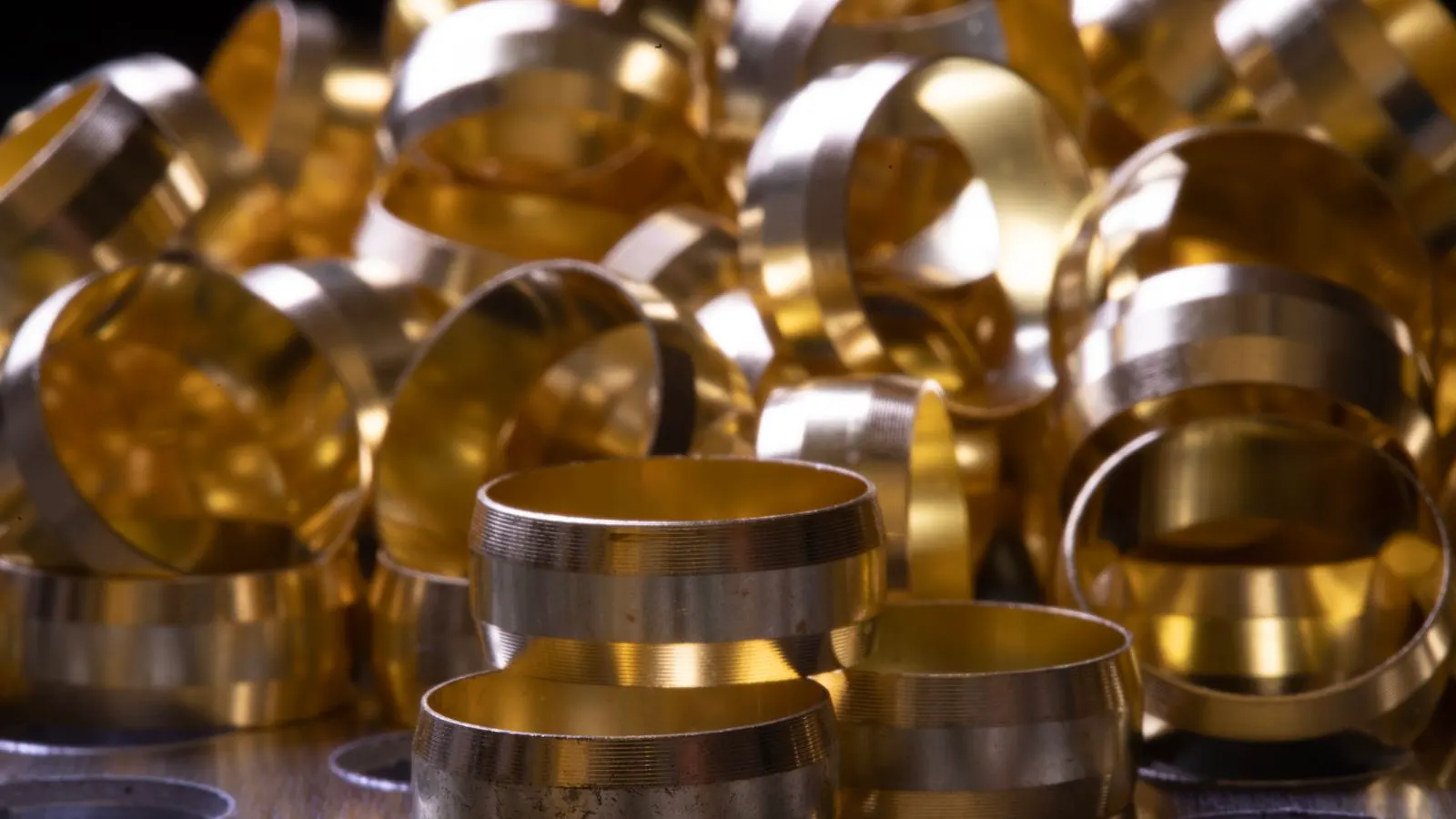
O-ring lead time depends on material type, diameter, quantity, and supplier capacity. Industrial seal costs vary by elastomer, hardness, and certification needs. A clear
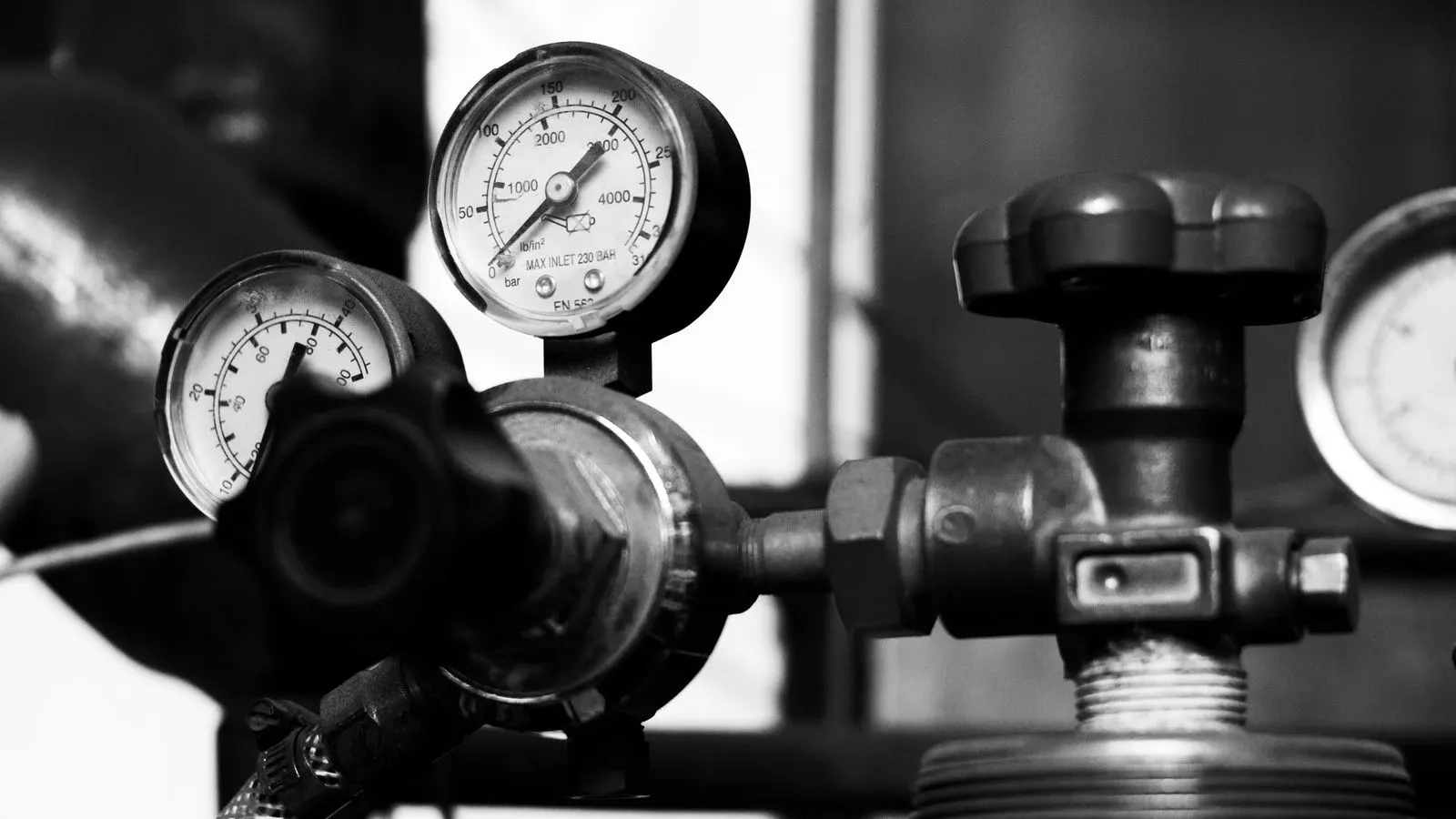
Gasket failure in high-pressure flanges is rarely caused by a single factor. Most leaks stem from incorrect material selection, improper installation, or mechanical

This guide explains how to select mechanical seal face materials based on chemical compatibility, temperature, and operating pressure. It contrasts hard and soft options
Match the material to the fluid, temperature, and pressure range. Fluorocarbon often handles aggressive chemicals, while nitrile suits hydrocarbon fluids. Check durometer for compression set and sealing force.
Mechanical seals control dynamic fluid leakage at rotating shafts. Gaskets seal static joints between flanges or housings. They use different materials, tolerances, and failure modes.
Wrong materials swell, harden, or dissolve in the process fluid. This causes leaks or seal failure. Always verify compatibility with the specific chemical and temperature.
Review material certificates, test reports, tolerances, and lead times. Confirm the supplier can provide traceability and meets your required standards.
Look for extrusion, abrasion, thermal damage, or chemical swelling. Failure analysis helps determine if the issue was material, design, or installation related.
Standards cover sizing, testing, and material properties. Reference relevant standards when specifying parts to ensure consistency and performance.